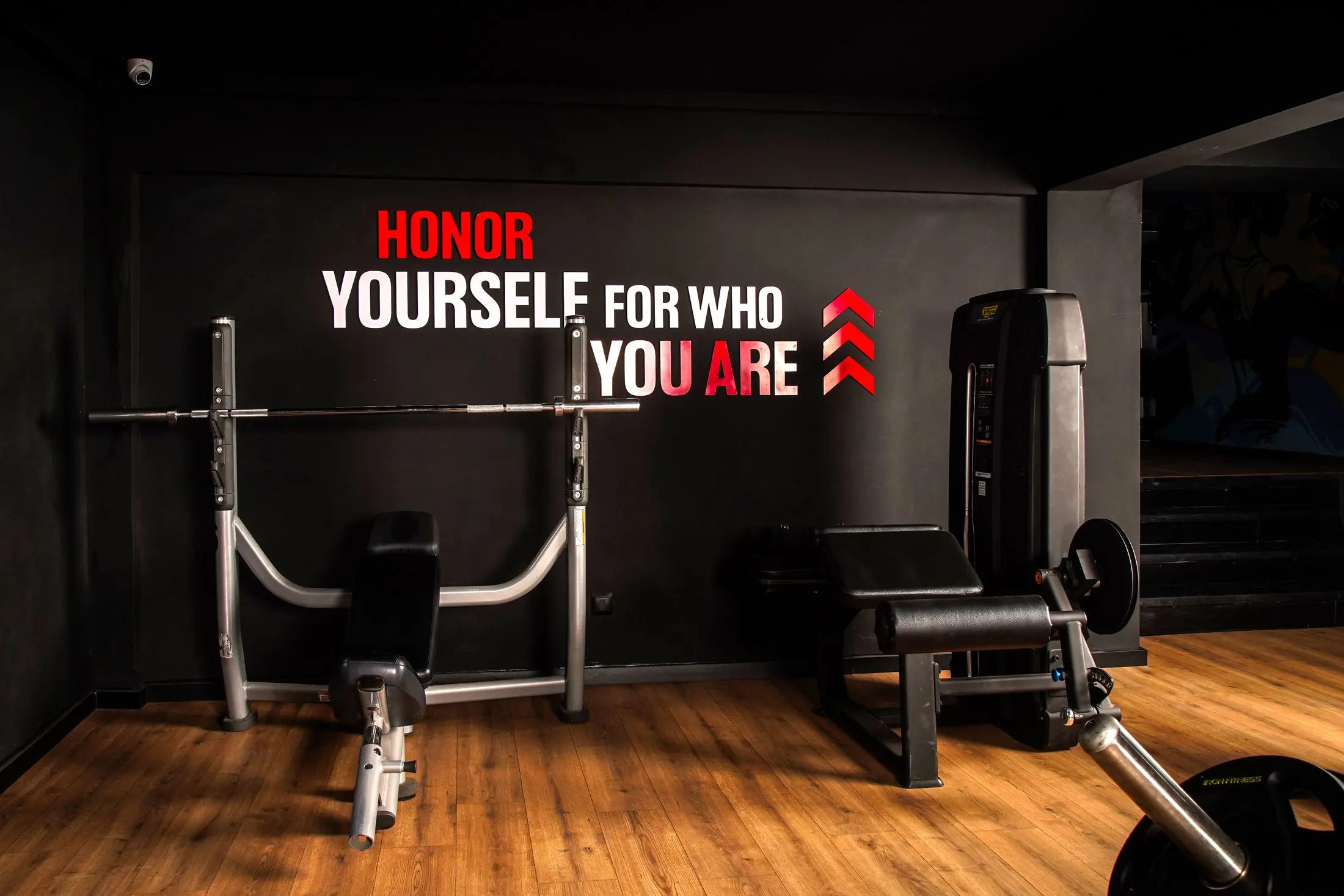
Many people ask themselves the same question when they arrive at the gym: should I eat before training, and what should I have afterward to recover well? There’s no single answer that works for everyone, but a few simple guidelines are enough to help you train in better conditions, whether you work out at Vita Club Agadir or Vita Club Settat.
Hydration comes first
Before talking about food, let’s talk about water. Even mild dehydration is enough to lower your available energy and make a session feel harder than it should. The best approach is to drink regularly throughout the day, not just right before training.
A few general guidelines:
- drink a glass of water in the hour before your session;
- keep a bottle within reach during training, especially for cardio sessions or in hot weather;
- don’t wait until you feel thirsty to drink — by the time thirst kicks in, your body is already running low on water.
For a standard one-hour session, water is more than enough. Sports-specific drinks are only useful for long or very intense efforts, not for a typical strength or cardio workout.
Eating before your workout
The goal of a pre-workout meal is simple: have enough energy to get through the session without feeling heavy or uncomfortable. This varies a lot from person to person, but a few general principles tend to hold true.
A pre-workout meal generally works best when it’s:
- moderate in size, to avoid digestive discomfort;
- fairly rich in carbohydrates (a quickly available source of energy);
- light on fat and fibre if training follows soon after, since these slow down digestion.
If you train early in the morning or right after work, a full meal isn’t always possible. In that case, a light snack is usually enough to avoid running out of steam mid-session.
How long to wait after eating
The time to leave between a meal and training depends mostly on how much you’ve eaten:
- a full meal (protein, starches, vegetables): allow roughly 2 to 3 hours before training;
- a lighter snack (fruit, yoghurt, a few crackers): 30 to 60 minutes is often enough;
- training right after a heavy meal increases the risk of digestive discomfort, especially during exercises that engage the core.
These timeframes are general guidelines, not strict rules. Everyone digests at their own pace, and the best way to find what works for you is to pay attention to how you feel, session after session.
Key takeaway: drink regularly throughout the day rather than at the last minute, favour a light, carb-rich meal before training, and allow enough time to digest depending on how much you've eaten.
Protein, carbs and post-workout recovery
After a session, the goal shifts: it’s about helping your body recover. Two food groups come up often in this context.
Carbohydrates help replenish the energy stores used during your session, especially after a cardio workout or a long, intense one.
Protein supports muscle recovery. You don’t need to eat it the second you put the dumbbells down — a meal within a few hours of training is perfectly fine for most people.
You don’t need to count every gram to make progress. What matters most is an overall balanced diet across the week, with meals that cover both food groups.
A few simple examples
To make these principles concrete, here are some common meal or snack examples — not an exhaustive list:
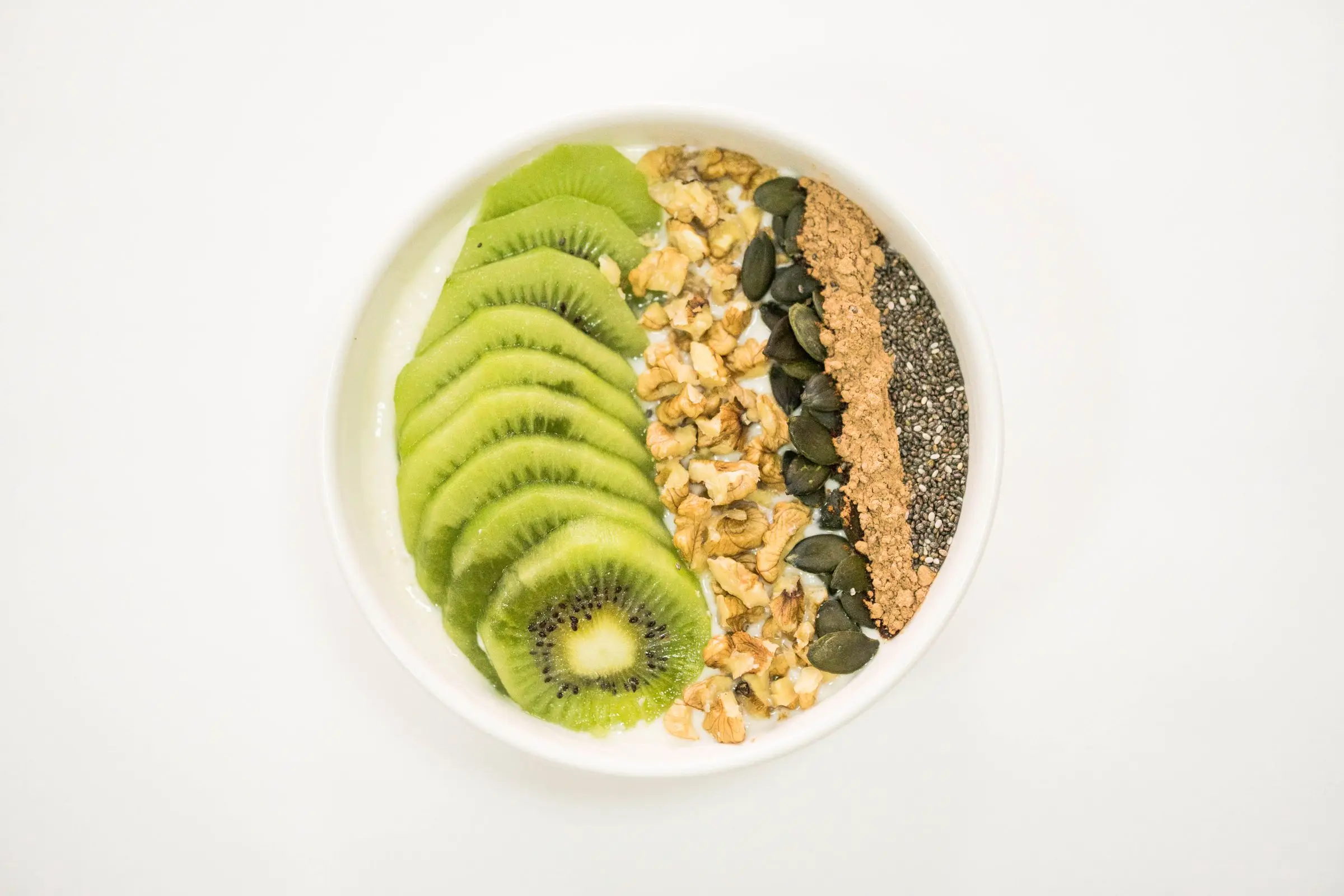
- before training: a banana with a few almonds, a bowl of oats, or a slice of wholegrain bread with a little honey;
- after training: yoghurt with fruit, an omelette with rice or pasta, or a regular meal combining a protein source (meat, fish, eggs, legumes) with starches.
These examples aren’t a meal plan — they simply illustrate common combinations, to adapt to your own tastes, habits and digestion.
General advice, not personalized guidance
Everything above is general guidance, applicable to most people training in a typical setting. None of it is a personalized medical or nutritional prescription.
If you have a specific health condition, are pregnant, are undergoing medical treatment, or have specific nutritional goals (muscle gain, supervised weight loss, digestive issues), the safest approach is to consult a doctor or a qualified nutrition professional. Only they can adapt these general principles to your personal situation.
In short
Eating well around your training doesn’t have to be complicated: drink regularly, eat light before training while allowing time to digest, then favour a balanced meal afterward. For most people, these few habits are enough to train in good conditions, whether you’re in for a strength session in Agadir or a cardio session in Settat.
If you have questions about organizing your sessions, the in-gym coaches at Vita Club Agadir and Vita Club Settat can advise you on training itself. For anything more specific about nutrition, please turn to a qualified health professional.
Need a quick fitness reference point before getting back into a routine? Our BMI calculator gives you a simple starting point in a few seconds.